What to Expect from the Florida Keys' Tropical Climate
The Florida Keys operate under a climate unlike anywhere else in the continental United States — and understanding it is essential before making a move to this iconic island chain. From intense summer heat and humidity to a surprisingly mild dry season, the weather shapes daily life, property considerations, and long-term livability in ways prospective residents should know upfront.
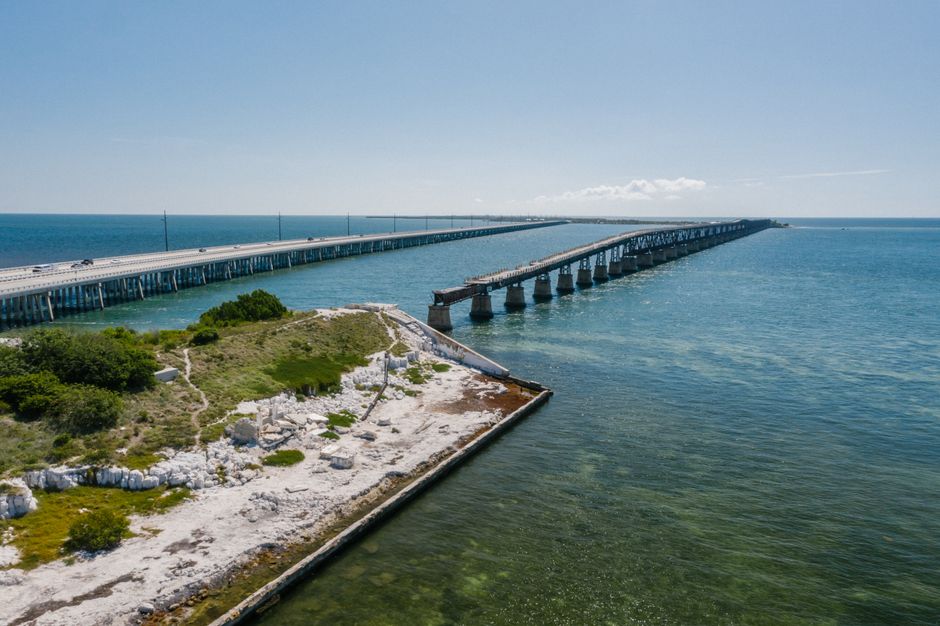
If you're dreaming of life in the Florida Keys, the postcard images of turquoise water and swaying palms are accurate — but the full climate picture deserves a closer look before you commit to a move.
The Keys sit at the southern tip of Florida, surrounded by both the Atlantic Ocean and the Gulf of Mexico. That geography creates a tropical savanna climate that stays warm year-round, with two clearly defined seasons: a hot, humid, and rainy stretch from roughly May through October, and a drier, more temperate period from November through April.
Summer temperatures regularly climb into the upper 80s and low 90s, but the real story is the humidity and rainfall. Afternoon thunderstorms are frequent and intense during the wet season, and the entire island chain sits squarely in Atlantic hurricane territory. Storm preparedness isn't optional down here — it's a way of life.
The dry season, on the other hand, is what draws snowbirds and relocators in droves. Daytime highs in the 70s, lower humidity, and abundant sunshine make the Keys genuinely comfortable from late fall through early spring. It's among the most pleasant winter climates in the entire country.
One nuance worth noting: the ocean acts as a natural temperature buffer. The Keys rarely see the extreme cold snaps that occasionally push through mainland South Florida, making the microclimate somewhat more stable than what you'd find in Miami or the Everglades region.
For anyone weighing a permanent move, understanding this rhythm matters for everything from utility costs and home maintenance to insurance needs and evacuation planning. The original report breaks down the seasonal patterns in useful detail.
What this means if you're moving to Florida: Life in the Keys rewards those who embrace the tropical rhythm — but new residents should budget carefully for summer energy bills, hurricane preparedness supplies, and the elevated insurance costs that come with living on a low-lying island chain in an active storm corridor.
Source: Florida Keys Free Press · Summary by Move to Sunshine. Original article not reproduced.
Considering a move to Florida?
Tell our relocation concierge what matters to you and get matched to the right region, county, and city.
Talk to the concierge