Waterfront Rules Shifting in South Florida: What Buyers Should Know
Two South Florida cities are moving in opposite directions on waterfront development. Deerfield Beach is easing restrictions to encourage new construction, while West Palm Beach is clamping down — and both moves carry real implications for prospective buyers and renters eyeing the region.
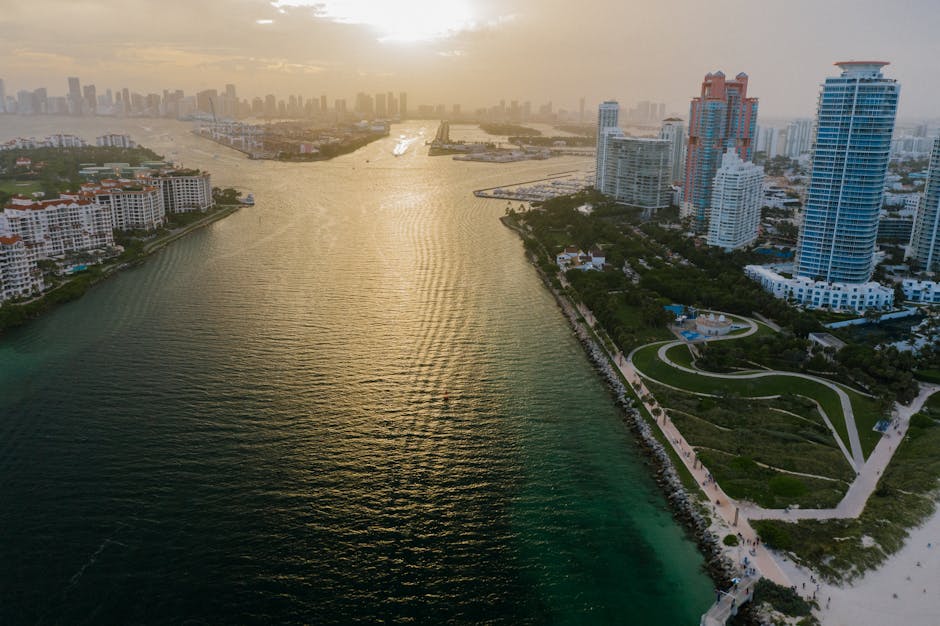
If you're considering a move to South Florida and have your eye on waterfront living, the regulatory landscape is changing in ways worth understanding before you commit to a neighborhood.
Deerfield Beach, a coastal city in northern Broward County, is relaxing some of its development requirements along the water, a move that could open the door to more new construction and potentially increase the supply of waterfront homes and condos in that market. For buyers, more supply can mean more options — and possibly some relief from the premium prices that waterfront properties have commanded in South Florida in recent years.
Meanwhile, West Palm Beach is heading the other direction, tightening its waterfront development rules. Stricter oversight there may slow new construction along some of the city's most desirable stretches of water, which could keep inventory constrained and sustain upward pressure on prices in that market. For renters, tighter development controls often translate to fewer new units coming online, which rarely helps affordability.
These diverging approaches reflect a broader tension playing out across Florida's coastal cities: how to balance growth and housing demand against environmental concerns, flood risk management, and neighborhood character. Waterfront zoning decisions don't just shape what gets built — they influence property values, insurance exposure, and long-term resale potential for anyone buying into these communities.
Prospective buyers comparing Broward and Palm Beach County waterfront options should factor local development policy into their research alongside the usual metrics of price and school ratings. The full details of each city's regulatory changes are outlined in the original report.
What this means if you're moving to Florida: Waterfront zoning rules directly affect future supply, property values, and flood-risk exposure — so understanding a city's development direction before you buy can be just as important as understanding current market prices.
Source: The Real Deal — Florida · Summary by Move to Sunshine. Original article not reproduced.
Considering a move to Florida?
Tell our relocation concierge what matters to you and get matched to the right region, county, and city.
Talk to the concierge