Super El Niño Could Reshape Florida's Housing Risk Picture
A potentially powerful El Niño pattern is developing, and climate scientists say the Gulf Coast — including Florida — is among the regions most likely to feel its effects. For prospective buyers and renters weighing a Florida move, understanding what this means for storm risk, flood insurance, and property decisions has never been more important.
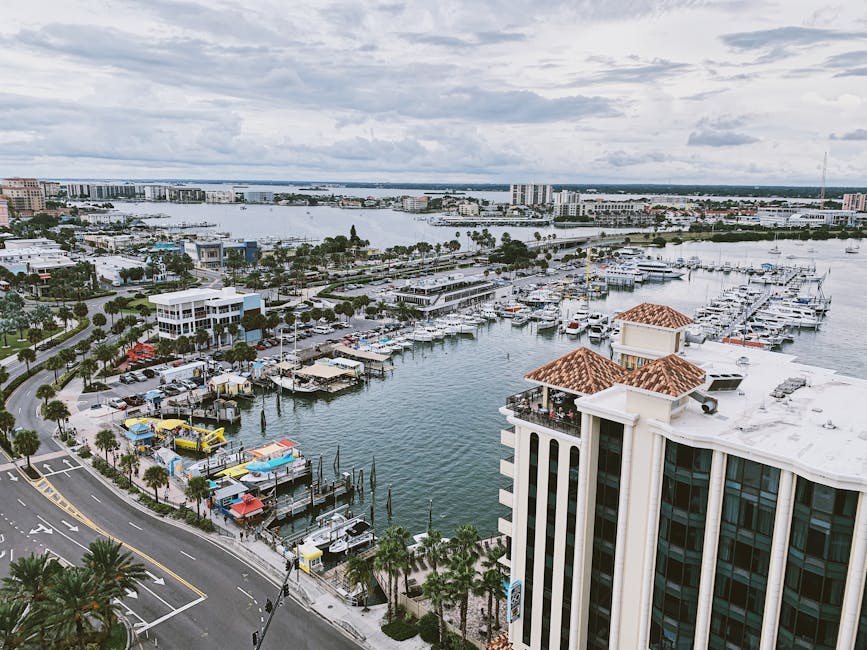
Weather patterns rarely stay confined to weather forecasts — they ripple into real estate markets, insurance premiums, and long-term property values. That's exactly why a strengthening El Niño cycle deserves attention from anyone considering a Florida relocation.
El Niño years historically bring wetter, stormier winters to the Gulf Coast while sometimes suppressing Atlantic hurricane activity during the traditional summer season. For Florida, the picture is nuanced. The Gulf-facing communities — think the Tampa Bay area, Southwest Florida, and the Panhandle — may face elevated flood and storm risk during the winter months, when El Niño's influence is strongest. Meanwhile, reduced Atlantic hurricane formation could offer a relative reprieve for East Coast communities like Jacksonville and the Space Coast during peak hurricane season.
Here's the catch: flood insurance in Florida is already under enormous pressure. FEMA's Risk Rating 2.0 methodology has driven premiums sharply higher across many coastal and low-lying communities, and private insurers have been pulling back from the state. A season of above-normal rainfall or storm surge events — exactly the kind El Niño can deliver — could accelerate those trends further, making properties in vulnerable flood zones even more expensive to insure and own.
For buyers, this reinforces the importance of checking a property's flood zone designation, reviewing elevation certificates, and budgeting conservatively for insurance costs before committing to a purchase. Renters are not immune either — landlords facing higher insurance and operating costs often pass those increases along.
The original report breaks down how this emerging climate pattern could affect housing markets broadly, with the Gulf Coast identified as a primary impact zone.
What this means if you're moving to Florida: Before choosing a neighborhood, research its flood zone status and current insurance costs carefully — an El Niño-driven uptick in storm activity could push already-elevated premiums even higher in vulnerable coastal and low-lying areas.
Source: HousingWire · Summary by Move to Sunshine. Original article not reproduced.
Considering a move to Florida?
Tell our relocation concierge what matters to you and get matched to the right region, county, and city.
Talk to the concierge